FHA Appraisal Checklist: The “Safety, Security, Soundness” Requirements for California Homes
Last reviewed April 2026 • Educational content, not individualized financial, tax, or legal advice.
If a California property has obvious health, access, or structural issues, FHA can slow down fast.
FHA appraisals get treated like a scary mystery, especially when a buyer falls in love with an older California house. In reality, the basic framework is simple. The property must be safe, secure, and sound. If an FHA appraiser sees obvious issues that violate those minimum property requirements, the transaction can stall until repairs are made, conditions are clarified, or the property is determined ineligible for the loan.
What an FHA appraisal is actually doing
An FHA appraisal is not just a price opinion. The appraiser is also asked to observe whether the property appears to meet FHA’s minimum property requirements. HUD’s policy language focuses on safety, security, and soundness. That means the appraiser is looking for readily observable issues that could affect habitability, marketability, or the adequacy of the home as collateral.
The appraisal is still not a substitute for a full home inspection. Buyers should never confuse the two. A home can technically pass FHA and still have problems a private inspector would flag.
The three words that matter: safety, security, soundness
Safety
Safety issues are conditions that could cause harm to occupants. Think exposed wiring, broken steps, severe trip hazards, missing handrails where required, broken windows, or peeling lead-based paint in pre-1978 homes where children could be exposed.
Security
Security focuses on whether the property can reasonably protect the occupant and function as a secure dwelling. Broken doors that do not close properly, windows that cannot lock, or compromised access issues may trigger concern.
Soundness
Soundness is about structural integrity and the property’s ability to serve as durable collateral. That can include major roof problems, active water intrusion, severe foundation concerns, unsafe site conditions, or systems that do not appear functional.
At-a-glance visual
Safety, security, and soundness overview
Reference graphic only — this image is part of the article and does not open or expand.
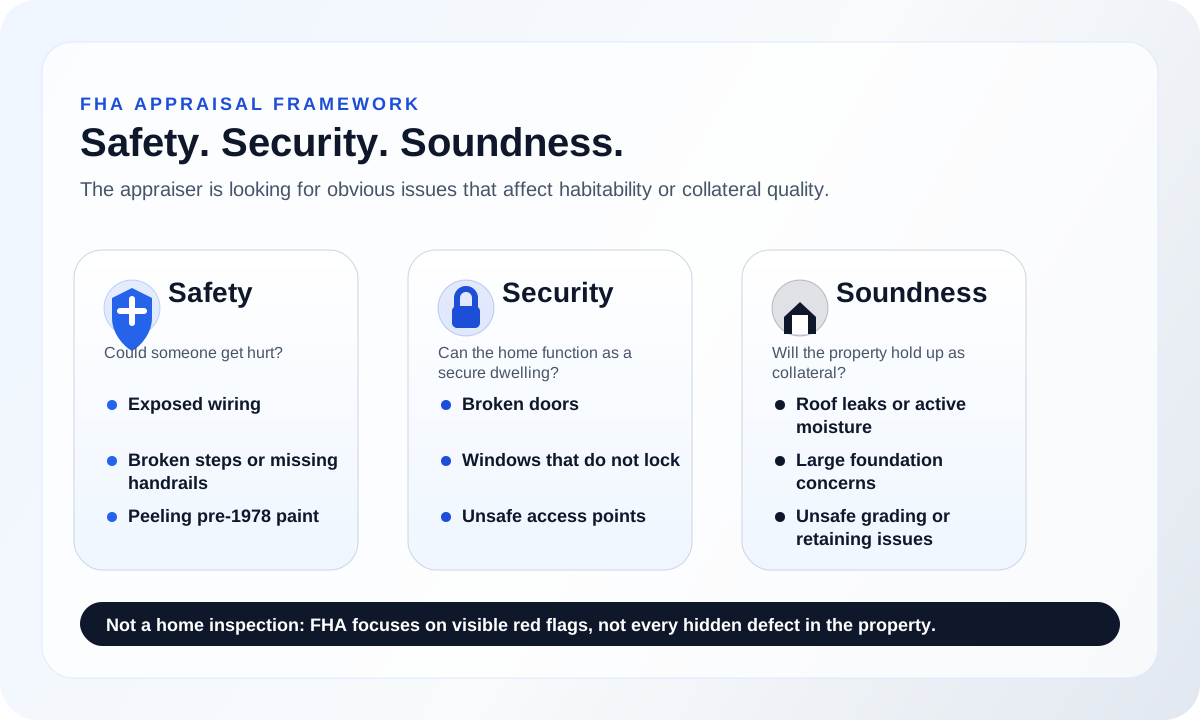
This gives the reader a framework before the detailed checklist starts. It also turns the core FHA logic into something memorable instead of burying it in paragraphs.
The practical FHA appraisal checklist for California homes
Quick buyer screen
Offer-stage FHA checklist snapshot
Reference graphic only — use it as a visual checklist. It is not a button or interactive tool.
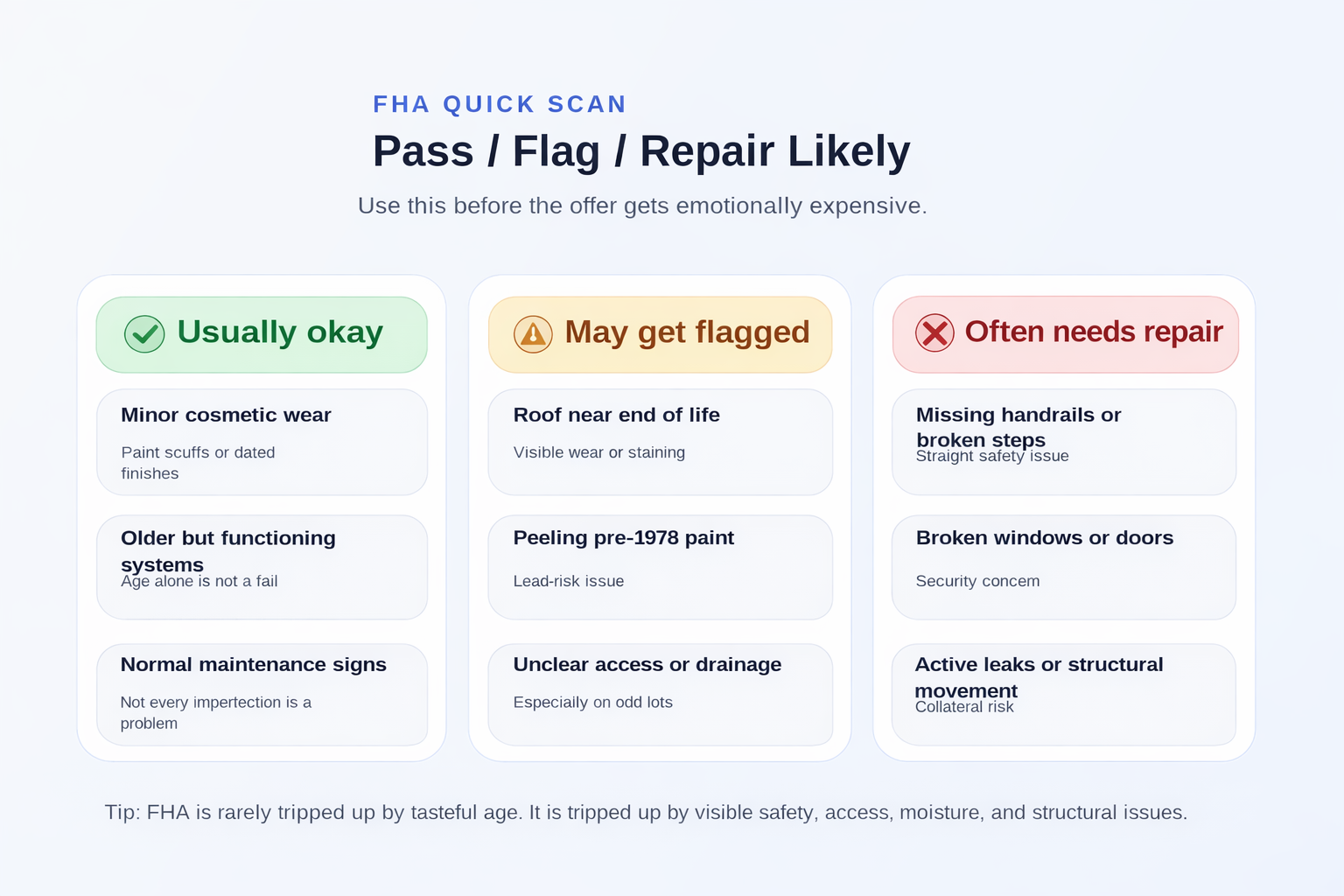
This works as a quick buyer screen: age alone is not the issue. Visible safety hazards, peeling pre-1978 paint, active leaks, broken access points, and structural movement are the patterns most likely to slow the file down.
1. Safe and legal access to the property
The home needs safe pedestrian and vehicular access. This matters more than buyers think in hillside properties, rural lots, and homes with unusual driveways. In parts of the Bay Area and hillside Los Angeles neighborhoods, access is not just a boring checkbox. It can be a real underwriting issue.
2. The roof should keep moisture out
A roof near the end of its life is not automatically fatal, but obvious leaks, major missing materials, or signs that the roof no longer protects the home can trigger repair requirements. In winter markets or coastal zones, visible water damage becomes especially sensitive.
3. Utilities and systems should appear functional
The appraiser is not performing a licensed systems inspection, but if the home lacks working utilities or clearly functional mechanical systems, the lender may have a problem. The property must typically have working heat, hot water, electricity, and basic habitability.
4. No obvious health-and-safety hazards
Exposed electrical hazards, broken flooring, collapsing decks, missing stair rails, cracked glazing in the wrong places, or damaged exterior elements can all create issues. Older California homes with charming original character often also carry deferred maintenance. FHA tends to care about the part of that maintenance that crosses into habitability or collateral risk.
5. Peeling paint in pre-1978 properties
This is the classic FHA gotcha. If the home was built before 1978 and there is defective paint, the problem usually cannot be shrugged away. The issue is potential lead-based-paint exposure. Buyers shopping older homes in Sacramento, Oakland, Pasadena, or long-established Inland Empire neighborhoods should expect this to come up regularly.
6. No significant water intrusion or active moisture damage
Stains, mold-like conditions, obvious active leaks, or visible damage from long-term moisture can trigger more scrutiny. In older homes, especially those with deferred roof or plumbing maintenance, water evidence is one of the fastest ways to move from “easy FHA deal” to “repair list.”
7. Structural red flags
Large foundation cracks, severe settlement, failing retaining walls, dangerous slope issues, or other obvious structural concerns can force repairs or more specialized review. This matters in California because hillside lots, expansive soils, and earthquake retrofit questions complicate the picture.
8. Site hazards and environmental issues
Properties should not present obvious site hazards. That can include dangerous grading, unsafe retaining situations, or nearby risks that affect habitability or marketability. In rural counties, buyers should also be ready for well and septic questions if the property relies on them.
Older California housing stock: where FHA friction shows up most
California pattern snapshot
Regional FHA friction points
Reference graphic only — this image summarizes common California patterns and is not clickable.
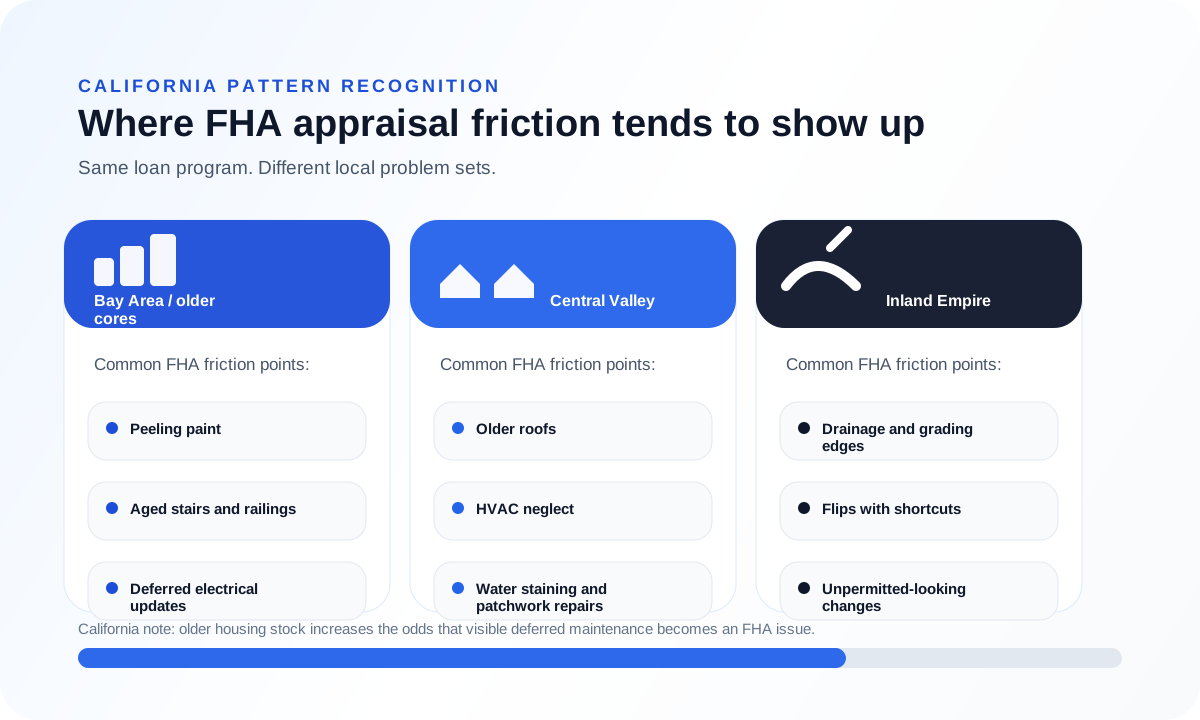
This makes the California angle feel intentional. The article already distinguishes Bay Area / older urban cores, the Central Valley, and the Inland Empire, so the graphic reinforces that local pattern instead of repeating generic national advice.
Bay Area and older urban cores
Think peeling paint, aged electrical systems, stairs, railings, and deferred maintenance in older condos and houses. A small cosmetic issue can become a real FHA repair item if it touches safety.
Central Valley
Here the issue is often less about sky-high pricing and more about aging roofs, HVAC neglect, water damage, and patchwork repairs on older homes that look fine at first glance.
Inland Empire
Buyers can find homes with space and price relief, but they also encounter flipped properties, deferred maintenance, unpermitted-looking modifications, and edge-lot drainage or grading problems that deserve attention.
What buyers should do before making an offer
- Look hard at handrails, stairs, decks, flooring, and broken windows.
- Check for active stains under ceilings and around plumbing areas.
- Ask about roof age, leaks, and major repairs.
- If the home is pre-1978, inspect for chipped or peeling paint.
- Do not assume the seller will repair everything without negotiation.
What sellers and agents should do on FHA deals
If a listing is likely to attract FHA buyers, pre-listing cleanup can save the deal. Fix the obvious safety items. Address peeling paint. Replace broken glass. Stabilize steps and rails. The cheapest repair is often the one done before the appraiser photographs it.
Bottom line
The FHA appraisal checklist sounds intimidating only when buyers treat it as hidden bureaucracy. It is more straightforward than that. The house must be safe, secure, and sound. In California, especially with older housing stock, that means buyers should screen the property early and budget mentally for basic repairs before they romanticize the low down payment.